3D Wooden Clutch Purse Laser Cut
Creating a unique, handcrafted accessory is one of the most satisfying ways to express personal style or add a distinctive touch to your business branding. When you search for 3D Wooden Clutch Purse Laser Cut designs, you are looking at more than just a pattern; you are looking at a blueprint for precision engineering in wood. This digital product allows creators to transform flat sheets of material into complex, interlocking structures that stand up and hold their shape without glue or screws. It is a fantastic solution for creating an original design for your home decor, office gifts, or boutique inventory.
However, before you click "buy" and start cutting, it is crucial to understand exactly what you are purchasing. Many newcomers to laser cutting make costly errors by assuming they are buying a physical item. This guide will help you navigate the specifics of this digital asset, ensuring you get the best results from your machine and your creativity.
Understanding the Digital Nature of the Product
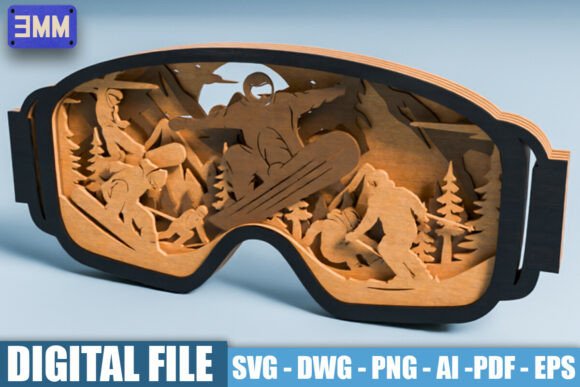
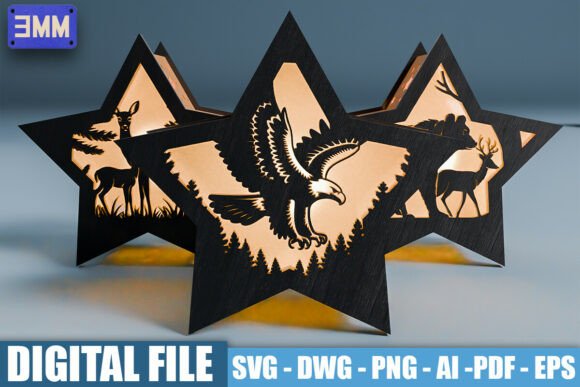
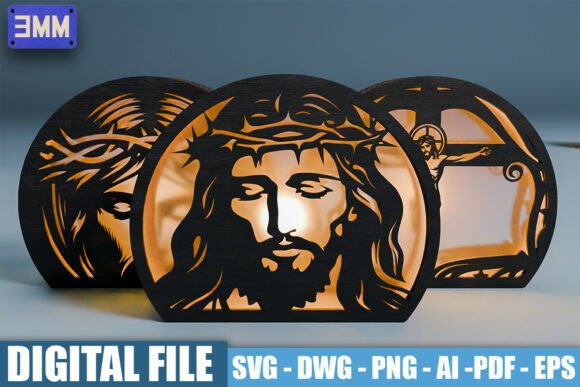
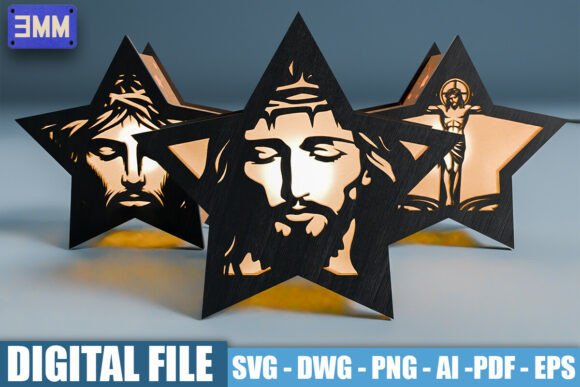
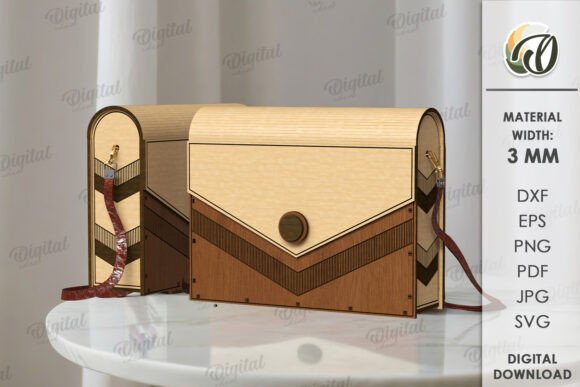
The most common mistake buyers make with 3D Wooden Clutch Purse Laser Cut files is expecting a tangible clutch purse to arrive in the mail. Please pay attention: this is strictly a digital product. No physical goods will be sent. The photos displayed in the listing are intended only for inspiration to show you what the final assembled piece can look like when crafted from high-quality materials.
Instead of a purse, what you receive is a zip folder containing the technical data required to build it yourself. Upon purchase, you will be attached a comprehensive package including the design in multiple file formats: SVG, DXF, EPS, PDF, JPEG, and PNG. This versatility is vital because it ensures compatibility with a wide range of software and hardware. Whether you use Adobe Illustrator, CorelDRAW, Inkscape, or proprietary laser cutter software, there is likely a format within this bundle that will open correctly. For those using vector-based machines, the SVG and DXF files provide clean lines and precise coordinates. For those who prefer raster engraving or need reference images for manual assembly, the JPEG and PNG files serve as excellent visual guides.
Why Multiple Formats Matter
Relying on a single file type can limit your ability to edit or scale the design. By providing 3D Wooden Clutch Purse Laser Cut assets in diverse formats, you gain the flexibility to:
- Edit dimensions: Resize the clutch to fit different phone models or create larger decorative versions.
- <Adjust line weights: Modify cut lines versus engrave lines depending on your machine’s capabilities.
- Convert for different materials: Use the PDF for printing physical templates if you decide to cut the wood manually with a craft knife instead of a laser.
Avoiding Common Cutting Mistakes
Even with perfect files, the quality of your 3D Wooden Clutch Purse Laser Cut project depends heavily on your preparation and execution. Wood is a natural material, meaning it varies in density, moisture content, and grain direction. These variations can affect how the laser interacts with the surface. Here are practical tips to avoid poor decisions that lead to ruined projects.
Material Selection Errors
Not all wood is created equal. A frequent error is using plywood with poor adhesive quality or excessive gaps between veneer layers. When the laser cuts through these gaps, it can cause the layers to separate, resulting in a messy edge or structural weakness in the clutch’s interlocking joints. To ensure a professional finish:
- Choose BIRCH plywood: High-quality birch plywood offers consistent density and minimal voids, allowing for crisp, clean cuts.
- Check thickness consistency: Ensure your sheet is uniformly thick (typically 3mm or 4mm works well for intricate puzzles). Variations in thickness can cause the joints to be too loose or too tight.
- Avoid stained or painted wood: Pre-finished woods often contain chemicals that release toxic fumes when lasered and can obscure the natural beauty of the wood grain.
Kerf Compensation and Fit
One overlooked detail is "kerf"—the amount of material vaporized by the laser beam during cutting. If your software settings do not account for kerf, the pieces may not fit together snugly. A loose joint makes the 3D Wooden Clutch Purse Laser Cut structure wobbly and prone to falling apart. Conversely, if the pieces are too tight, forcing them together can crack the thin wooden tabs.
To correct this, always run a test cut on a scrap piece of your specific material. Measure the gap between two adjacent cut lines. If the gap is wider than expected, adjust your design or machine power/speed settings accordingly. Most modern laser cutters allow you to input a kerf value, which automatically compensates for the lost material in the vector paths.
Assembly and Finishing Techniques
Once the cutting is complete, the real work begins. Assembly requires patience and precision. Because the design relies on friction fits and interlocking geometry, rushing the process often leads to misaligned parts. Take your time to remove each piece from the waste matrix carefully. Use tweezers for small components to avoid burning your fingers or damaging delicate tabs.
Another common oversight is skipping the sanding step. Laser-cut edges can sometimes have slight charring or roughness, especially on softer woods. Lightly sanding the edges of the clutch panels before assembly ensures a smooth finish and helps the pieces slide together more easily. However, be careful not to over-sand, as this can weaken the structural integrity of the thin joints.
For a truly professional result, consider finishing the wood after assembly. A light coat of matte varnish or natural oil can enhance the grain and protect the surface from wear. Since this is a clutch purse, think about functionality. Will you add a magnetic clasp? A fabric lining? The digital files provide the structural skeleton, but you have the creative freedom to add functional elements that suit your needs. This is where the possibilities of creation are endless.
Evaluating Your Purchase Decision
Before finalizing your acquisition of the 3D Wooden Clutch Purse Laser Cut files, ask yourself a few practical questions. Do you have access to a laser cutter or a CNC router? If not, do you plan to take the PDF files to a local fabrication shop? Understanding your resources upfront prevents frustration later. Additionally, consider the skill level required. While the files themselves are ready to use, assembling a 3D puzzle-like object requires a steady hand and good spatial reasoning skills. Beginners should practice on simpler 2D designs first to understand how their machine handles different depths and speeds.
If you are a small business owner looking to produce these items for sale, calculate your material costs and production time accurately. The efficiency of your workflow will determine your profit margin. Using the included SVG and DXF files can streamline your production by allowing batch processing of multiple units.
Support and Communication
We value our community of makers. Thank you for visiting my store. If you encounter any issues opening the files, have questions about the assembly process, or need advice on material specifications, please write me a message. I am here to help you succeed. Clear communication can save you hours of troubleshooting and ensure that your 3D Wooden Clutch Purse Laser Cut project turns out exactly as envisioned.
HAPPY SHOPPING! Let your creativity flow, and remember that every great project starts with the right information and tools. Enjoy the process of building something unique with your own hands.