3d Layered Paper Cut Cat Cat Lightbox
Creating a stunning visual display often feels like a complex engineering project, but with the right digital assets, it becomes an accessible and rewarding craft. The 3d Layered Paper Cut Cat Cat Lightbox represents a perfect intersection of modern digital design and traditional paper artistry. By purchasing this set, you receive 8 Cut files that allow you to construct a multi-dimensional scene illuminated from within. This guide is designed to help you navigate the process of creating these lightboxes effectively, ensuring your final product looks professional rather than amateurish.
Understanding the Asset: What You Actually Get
Before diving into construction, it is crucial to understand the nature of the product. When you acquire the 3d Layered Paper Cut Cat Cat Lightbox package, you are not receiving a physical kit. Instead, you are downloading 8 Cut files. These are typically vector-based or high-resolution raster files compatible with cutting machines like Cricut, Silhouette, or even printable for hand-cutting by hobbyists.
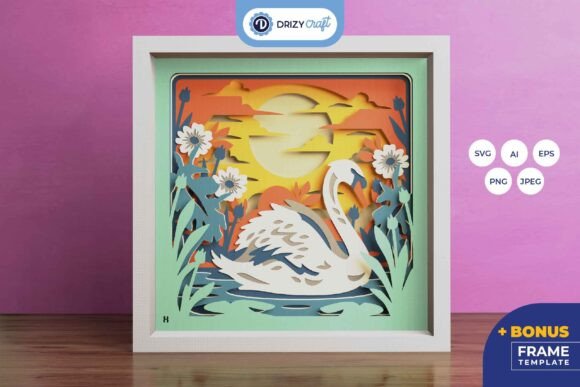
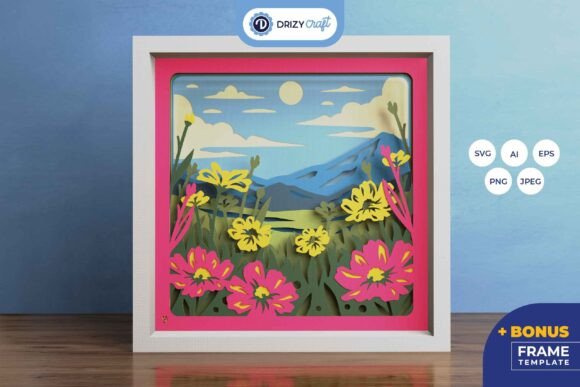
The "8" refers to the distinct layers required to build depth. A flat image lacks dimension; a lightbox relies on shadows cast by one layer onto another to create a sense of space. Each file corresponds to a specific plane in the scene—foreground, midground, background, and the cat character itself, which is often split into multiple parts for detail. Understanding this layering system is the first step toward avoiding a messy, confusing assembly process.
Common Pitfalls in Design and Material Selection
Many creators rush into cutting without considering how light interacts with paper. This oversight leads to several common mistakes that can ruin the aesthetic appeal of your 3d Layered Paper Cut Cat Cat Lightbox.
Ignoring Paper Opacity and Color
The most frequent error is choosing standard printer paper or overly thick cardstock without testing light transmission. Standard copy paper is too thin and may tear easily under the heat of LEDs or look translucent in an unappealing way. Conversely, extremely thick cardboard blocks light entirely, resulting in a dark, shadowy mess where details are lost.
Better Approach: Use white or off-white cardstock with a weight between 65lb and 80lb (around 170–210 gsm). This weight provides enough structural integrity to hold its shape while allowing warm LED light to diffuse softly through the edges. If you want colored effects, consider using white paper and placing colored cellophane behind the layers, rather than printing directly on colored paper, which can sometimes muddy the colors when backlit.
Misjudging Scale and Proportion
Digital files do not have inherent size; they scale infinitely. A major mistake beginners make is designing the box based on screen pixels rather than physical inches or centimeters. If the layers are too close together relative to the light source, the shadows will blur and merge, eliminating the 3D effect. If they are too far apart, the scene looks disjointed.
Better Approach: Before cutting all eight layers, print a small-scale test version (e.g., 50% scale) on regular paper. Stack them physically to see how the shadows fall. Adjust the spacing in your design software if necessary, or adjust the physical spacers in your box frame. The goal is to have distinct separation that allows light to pass between layers clearly.
Technical Considerations for Cutting and Assembly
Once you have your materials selected, the execution phase requires precision. The quality of your cut directly impacts the final presentation. A jagged edge on a cat’s ear or a whisker can distract from the overall charm of the piece.
- Blade Sharpness: Ensure your cutting machine blade is sharp. Dull blades crush the paper fibers rather than slicing them, leading to rough edges that catch light unevenly.
- Layer Alignment: With 8 separate files, alignment is critical. Use registration marks provided in the 3d Layered Paper Cut Cat Cat Lightbox files if available. If not, create a simple grid system on your backing board to ensure every layer sits perfectly centered.
- Spacers: Do not skip the use of spacers. Foam tape or specialized acrylic standoffs are ideal. They create the physical gap between layers. Without these gaps, your lightbox is just a stack of paper, not a 3D scene.
Evaluating Your Setup Before Final Assembly
Efficiency is key for entrepreneurs and educators who may be producing these items for sale or classroom projects. Taking time to evaluate your setup prevents costly rework.
Light Source Compatibility
Not all lights are created equal. Incandescent bulbs generate significant heat, which can warp thin paper or pose a fire risk. LED strips or USB-powered LED panels are the industry standard for paper lightboxes because they remain cool to the touch and provide even illumination.
Checklist for Buyers:
- Does the light source fit inside your chosen box dimensions?
- Is the color temperature warm (2700K–3000K)? Warm light enhances the cozy, inviting feel of a cat-themed scene, whereas cool blue light can look clinical and harsh.
- Are there dimming options? Being able to adjust brightness helps highlight different layers depending on the viewing angle.
Structural Integrity
Ensure your frame is sturdy enough to hold the tension of the layered paper. Flimsy frames can bow outward, causing the layers to touch unintentionally. For a professional finish, consider using black matte cardstock for the inner frame walls. Black absorbs stray light, increasing contrast and making the illuminated layers pop more vividly against the dark background.
Maximizing Value for Different Audiences
The versatility of the 3d Layered Paper Cut Cat Cat Lightbox makes it suitable for various applications beyond simple decoration.
For Educators: This project teaches geometry, spatial reasoning, and patience. Break down the 8 files into a lesson plan where students analyze how each layer contributes to the whole. It is a tangible example of additive manufacturing principles.
For Small Business Owners: If you are selling these kits, include clear instructions on material recommendations. Provide a troubleshooting guide for common issues like misalignment. Adding value through excellent documentation builds trust and reduces customer support queries.
For Hobbyists: Experiment with custom backgrounds. While the cat is the star, changing the backdrop layer from a simple night sky to a garden scene can completely alter the mood of the piece. The modular nature of the 8 files allows for easy swapping of background elements without redesigning the entire project.
Final Thoughts on Quality and Satisfaction
Achieving a high-quality result with your 3d Layered Paper Cut Cat Cat Lightbox comes down to preparation and attention to detail. Avoid the temptation to rush the cutting process or ignore the importance of lighting. By selecting appropriate materials, testing your scale, and ensuring precise alignment, you transform simple digital files into a captivating three-dimensional artwork.
Remember, the beauty of paper crafts lies in the interplay of light and shadow. Take your time to arrange the layers, check your work from multiple angles, and enjoy the process of bringing your digital designs to life. Whether for personal enjoyment or commercial use, a well-executed lightbox serves as a testament to thoughtful design and careful craftsmanship.