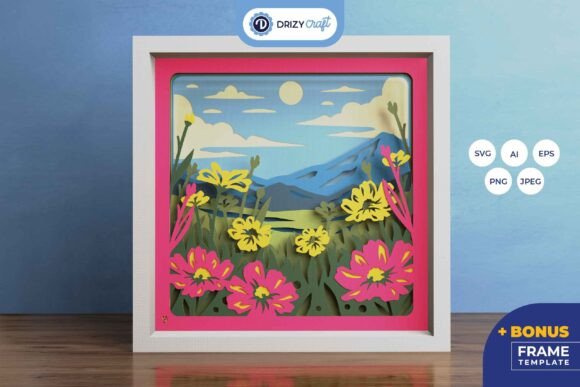
Spring Field 3D Layered Paper Cut
In an era where digital saturation often leads to visual fatigue, there is a distinct resurgence in the appreciation for tangible, handcrafted aesthetics. Among the tools facilitating this return to physical artistry, the Spring Field 3D Layered Paper Cut stands out as a versatile and visually striking template. This design transforms flat digital files into immersive three-dimensional shadow boxes, offering creators, educators, and hobbyists a unique medium for expression. Whether you are looking to enhance your home decor, create personalized gifts, or develop engaging educational materials, understanding the potential of this layered paper-cutting technique can significantly elevate your creative output.
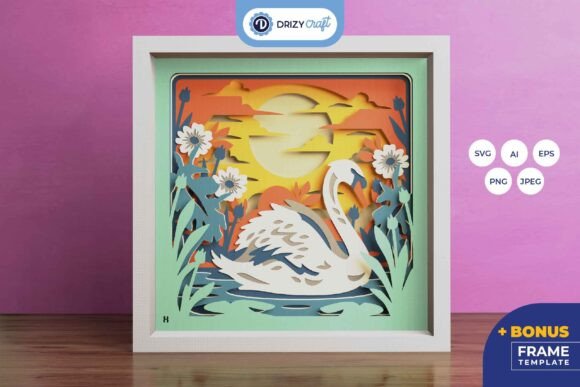
The core concept behind the Spring Field 3D Layered Paper Cut lies in its structural depth. Unlike traditional flat illustrations, this design utilizes nine distinct layers to build a sense of space and perspective. When assembled correctly, these layers interact with light and shadow, creating a dynamic visual experience that changes depending on the viewing angle and lighting conditions. This depth adds a layer of sophistication that simple two-dimensional prints cannot achieve, making it an excellent choice for projects requiring high visual impact.
Technical Specifications and Format Versatility
One of the primary advantages of acquiring the Spring Field 3D Layered Paper Cut template is the comprehensive range of file formats provided. Creators often work within different software ecosystems, so having access to multiple file types ensures compatibility regardless of your preferred workflow. The package includes AI, EPS, SVG, and PNG files at 714 x 714 pixels, alongside a high-resolution JPEG preview at 3000 x 2000 pixels. This variety allows for seamless integration into various design processes.
- Vector Files (AI, EPS, SVG): These are essential for cutting machines like Silhouette and Cricut. The vector nature ensures that lines remain crisp and scalable without losing quality, which is critical when working with intricate details in layered designs.
- Raster Files (PNG, JPEG): Useful for quick previews, reference, or if you plan to cut by hand using an art knife or scissors. The high-resolution JPEG provides a clear guide for assembly and color planning.
The inclusion of the SVG file is particularly noteworthy for those who utilize automated cutting equipment. It simplifies the preparation process, allowing you to import the design directly into your machine’s software. However, it is important to note that while SVG files can be resized, maintaining the original aspect ratio is crucial to preserve the integrity of the layered effect. Distorting the proportions can lead to misalignment during assembly, ruining the three-dimensional illusion.
From Digital File to Physical Art
Transforming the Spring Field 3D Layered Paper Cut from a digital asset into a physical object requires precision and patience. The final dimensions of the assembled shadow box are approximately 20.32 x 20.32 cm, a size that is substantial enough to command attention yet compact enough to fit on most shelves or desks. The assembly process involves cutting out each of the nine layers, arranging them in the correct order, and securing them with glue or double-sided tape.
For those without access to electronic cutting machines, manual cutting is entirely feasible but demands a steady hand. A sharp art knife and a self-healing cutting mat are recommended for clean edges. Scissors can be used for larger, less intricate sections, but they may not provide the same level of detail required for complex floral or field elements. The choice of paper also plays a significant role in the final appearance. Thicker cardstock holds its shape better and creates more pronounced shadows between layers, while lighter papers may require additional support to prevent sagging.
Practical Applications Across Industries
The utility of the Spring Field 3D Layered Paper Cut extends far beyond personal hobbies. Its adaptability makes it a valuable resource across several professional and educational domains.
Home Decor and Interior Design
As a framed wall decoration, this shadow box serves as a sophisticated piece of art. The layered depth adds texture to a room, breaking up flat surfaces with organic shapes. It pairs well with minimalist interiors, providing a focal point without overwhelming the space. Furthermore, the design lends itself to customization; by changing the paper colors, you can tailor the mood of the piece to match specific interior palettes.
Educational Tools
Educators can leverage this template to teach concepts related to geometry, perspective, and environmental science. The "Spring Field" theme offers an opportunity to discuss ecosystems, plant biology, and seasonal changes. By having students assemble the layers, teachers can demonstrate how individual components contribute to a larger whole, fostering both fine motor skills and collaborative learning.
Marketing and Branding
For entrepreneurs and marketers, unique physical assets can leave a lasting impression. Consider using this design for branded merchandise, event invitations, or promotional giveaways. The tactile nature of a 3D shadow box encourages recipients to engage with the item physically, increasing the likelihood of brand recall compared to standard paper flyers. It represents a commitment to quality and creativity, values that resonate with modern consumers.
Enhancing Engagement with Lighting
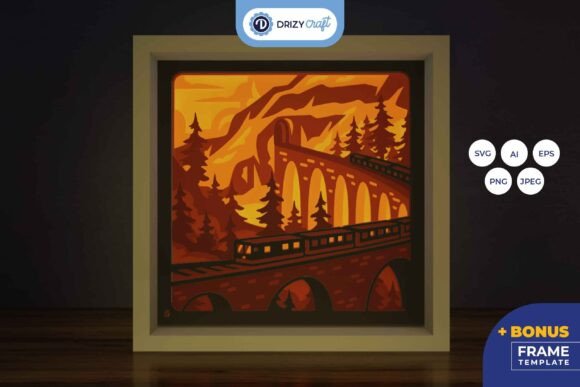
A particularly innovative application of the Spring Field 3D Layered Paper Cut involves integrating LED strips between the layers. This modification turns the shadow box into a lightbox, dramatically altering its aesthetic appeal. The light diffuses through the paper, highlighting the intricate details of each layer and creating a warm, inviting glow. This feature is especially effective for evening displays or as a nightlight, adding a functional element to the decorative piece.
When experimenting with lighting, consider the color temperature of the LEDs. Warm white lights tend to enhance the natural, organic feel of the spring field theme, while cool white or colored LEDs can create a more modern, abstract interpretation. This flexibility allows creators to produce multiple variations from a single template, maximizing the value of the initial purchase.
Considerations for Buyers and Creators
While the Spring Field 3D Layered Paper Cut offers numerous benefits, it is important to approach its use with realistic expectations. The images provided are for preview purposes only, and the final product’s appearance may vary based on lighting sources and the specific paper color chosen. Paper stock thickness, opacity, and even the grain direction can affect how the layers sit and how light interacts with them. Therefore, it is advisable to test small samples before committing to a large-scale production run.
Additionally, assembly time should be factored into your project planning. While the digital cutting process is efficient, the manual assembly of nine layers requires careful alignment. Rushing this step can result in gaps or uneven spacing, detracting from the overall polish of the finished piece. Taking the time to ensure precise placement will yield a professional-quality result that reflects the effort invested.
Ultimately, the Spring Field 3D Layered Paper Cut is more than just a craft template; it is a tool for creative exploration. Whether you are a seasoned designer looking to expand your portfolio with physical artifacts, a teacher seeking engaging classroom activities, or a homeowner aiming to add a touch of handmade elegance to your space, this design provides a robust foundation for innovation. By combining technical precision with artistic vision, you can transform a simple set of digital files into a memorable, three-dimensional experience.