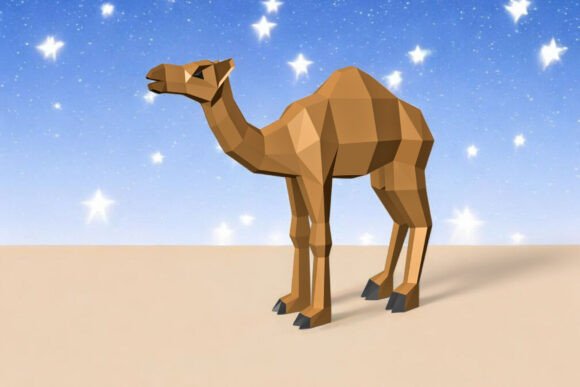
Basic Geometric Shape - 3d Papercraft
In the realm of digital design and physical creation, there is a unique intersection where pixels meet paper. This intersection is best exemplified by Basic Geometric Shape - 3d Papercraft, a medium that transforms simple two-dimensional templates into intricate three-dimensional objects. For creators, educators, and hobbyists alike, this craft offers more than just a pastime; it provides a tangible way to explore geometry, spatial reasoning, and artistic expression. Whether you are looking to decorate a space, create educational tools, or simply enjoy the meditative process of assembly, understanding the nuances of papercraft can significantly enhance your creative output.
The Essence of Digital-to-Physical Creation
At its core, Basic Geometric Shape - 3d Papercraft represents a bridge between the digital and physical worlds. Unlike traditional sculpture, which often requires specialized materials like clay, wood, or metal, papercraft utilizes accessible resources. The process begins with digital files—typically in formats such as PDF, DXF, EPS, PNG, JPG, or SVG—which contain the blueprints for the final object. These files are designed with precision, accounting for fold lines, cut paths, and adhesive flaps.
The beauty of this method lies in its accessibility. You do not need expensive machinery or a workshop filled with heavy tools. Instead, you rely on a standard printer and basic crafting supplies. This democratization of creation allows anyone with an interest in design to produce high-quality, professional-looking geometric models. It encourages experimentation, as the cost of failure is low compared to working with more permanent materials.
What You Will Get: Understanding the Assets
When acquiring a Basic Geometric Shape - 3d Papercraft file, you are purchasing a comprehensive toolkit for construction. The variety of file formats included ensures compatibility with different devices and software preferences. Here is a breakdown of what these assets typically entail:
- PDF (Portable Document Format): The most common format for printing. It preserves layout and vector quality, ensuring that when you print, the shapes remain crisp and accurate.
- DXF (Drawing Exchange Format): Ideal for users who work with CAD (Computer-Aided Design) software. This format allows for precise editing if you wish to modify the dimensions before printing.
- EPS (Encapsulated PostScript): A vector graphic format often used in professional design environments. It scales infinitely without losing quality, making it perfect for large-format prints.
- PNG and JPG: Raster image formats. While these are easier to view on mobile devices or basic image viewers, they may require higher resolution settings to ensure clean cuts when printed at full size.
Having multiple format options means you can choose the workflow that best suits your technical comfort level. Whether you are using a home computer or a professional design suite, the necessary tools are provided to bring the geometric shape to life.
Required Materials and Preparation
One of the most appealing aspects of Basic Geometric Shape - 3d Papercraft is the simplicity of the required materials. You likely already have most of these items in your home or office. However, the success of your project depends heavily on the quality of the paper and the care taken during preparation.
Essential Tools
- Colored Printer: While black and white printing is possible, a color printer allows you to follow visual cues for folding and cutting, enhancing the accuracy of the assembly.
- Cutters: A combination of scissors for rough cuts and a sharp craft knife for detailed edges. A metal ruler is essential when using a craft knife to ensure straight, clean lines.
- Adhesive: PVA glue, glue sticks, or double-sided tape. Liquid glue provides a stronger bond but requires drying time, while tape offers immediate adhesion.
- Folding Tools: A bone folder, a scoring tool, or even a non-working ballpoint pen. These tools help create crisp creases without tearing the paper.
- Measuring Tools: A ruler is crucial for aligning pieces and ensuring symmetry.
The Importance of Cardstock
A critical factor often overlooked is the choice of paper. Standard printer paper is too thin and fragile for complex 3D structures. Instead, Cardstock Paper is recommended. Cardstock provides the necessary stiffness to hold the shape of the geometric form while remaining flexible enough to fold cleanly. For a model with an assembled size of 10 x 37 x 4 cm, using cardstock ensures that the final product is durable and visually striking.
The Assembly Process: Patience and Precision
Assembling a Basic Geometric Shape - 3d Papercraft is a methodical process that rewards patience. The estimated assembling time is approximately 2 hours, though this can vary based on your experience level and the complexity of the specific geometric design. The process generally follows these steps:
Step 1: Printing
Print the templates at 100% scale. Do not use "fit to page" options, as this will distort the proportions and make assembly difficult. If you are using cardstock, ensure your printer is set to handle heavier media to avoid jams.
Step 2: Cutting
Use scissors to get close to the cut lines, then switch to a craft knife and ruler for the final precision. Clean cuts are vital because gaps between pieces will result in misaligned joints and a wobbly final structure.
Step 3: Scoring and Folding
This is perhaps the most important step for achieving a professional look. Use your bone folder or non-working pen to score along the fold lines. Apply gentle pressure to create a groove in the cardstock. Then, fold along the scored line. This technique ensures that the paper bends sharply rather than curling naturally, giving the geometric shape its defined, angular aesthetic.
Step 4: Gluing
Apply adhesive to the designated flaps. Work slowly, pressing the pieces together firmly. Allow sufficient drying time before handling the model further. Rushing this stage can lead to weak bonds and structural failure.
Applications and Benefits
Why engage in Basic Geometric Shape - 3d Papercraft? The applications extend far beyond simple decoration. For educators, these models serve as excellent tactile aids for teaching geometry, helping students visualize concepts like polyhedrons, symmetry, and volume. In interior design, completed papercrafts can be used as unique lampshades, wall art, or centerpiece decorations, adding a modern, minimalist touch to any room.
For professionals in marketing and branding, custom geometric shapes can be used for event displays, trade show booths, or promotional giveaways. The lightweight nature of paper makes it easy to transport and set up, offering a cost-effective alternative to rigid signage.
Considerations and Limitations
While Basic Geometric Shape - 3d Papercraft is versatile, it is important to manage expectations. Paper is susceptible to environmental factors. High humidity can cause cardstock to warp, and direct sunlight may fade colored prints over time. Therefore, finished models should be displayed indoors away from moisture and intense light sources.
Additionally, the durability of paper models is limited compared to plastic or metal counterparts. They are best suited for decorative purposes rather than functional load-bearing objects. Handling should be gentle, especially around the glued joints, which can be stress points.
Evaluating Suitability for Your Needs
Before starting a project, consider your goals. If you seek a quick, low-cost activity that yields a satisfying result, papercraft is ideal. If you require a permanent, weather-resistant installation, you might consider scaling up the design into laser-cut acrylic or wood. However, for those who appreciate the handmade aesthetic and the satisfaction of building something from scratch, Basic Geometric Shape - 3d Papercraft offers a rewarding experience.
The combination of digital convenience and manual craftsmanship creates a unique creative loop. By providing clear instructions and high-quality templates, designers empower users to become makers themselves. The resulting object, measuring 10 x 37 x 4 cm, serves as a testament to this blend of technology and tradition.
Final Thoughts
Engaging with Basic Geometric Shape - 3d Papercraft is about more than just following instructions; it is about engaging with form, space, and material. It challenges you to translate flat designs into solid objects, fostering a deeper appreciation for geometry and design principles. With the right tools—cardstock, a sharp knife, and a steady hand—you can transform simple digital files into impressive physical artworks.
Whether you are a seasoned crafter or a beginner looking for a new hobby, the process offers a break from the digital screen and a chance to create something tangible. Remember, the key to success lies in preparation and patience. Take your time with the scoring and cutting, and don't hesitate to ask questions if you encounter difficulties. The community of papercraft enthusiasts is vast and supportive, always ready to share tips and tricks. Embrace the process, and enjoy the journey from a flat sheet of paper to a stunning three-dimensional geometric masterpiece.