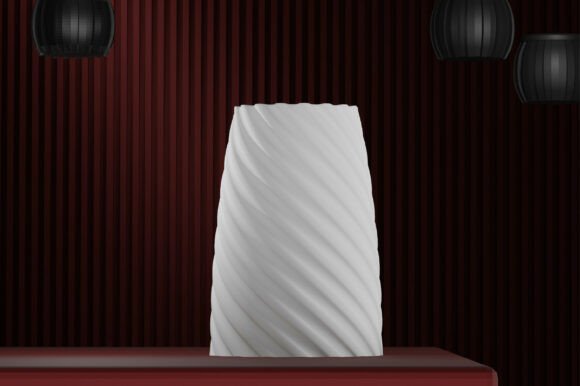
Elegant Decorative Vase – Modern 3D
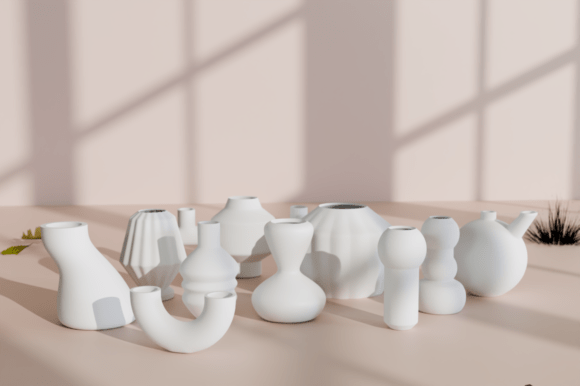
In the realm of digital design and physical fabrication, few objects capture the intersection of art and utility as effectively as a well-proportioned vase. The Elegant Decorative Vase – Modern 3D model represents more than just a container; it is a study in balance, form, and material potential. For designers, hobbyists, and content creators alike, this model offers a versatile foundation that bridges the gap between minimalist aesthetics and complex geometric possibilities. Whether you are looking to populate a virtual set, create a tangible centerpiece for your home, or produce stock assets for a creative marketplace, understanding the nuances of this design can unlock a wide array of practical applications.
The appeal of this specific model lies in its sleek curves and balanced proportions. Unlike rigid, angular designs that demand attention through sharp lines, this vase commands interest through its fluid silhouette. It embodies the principles of modern interior design, where less is often more, but every element must be intentional. This makes it an ideal candidate for various creative projects, from high-fidelity 3D rendering portfolios to functional home décor items printed at home.
Materiality and Finish: Translating Digital to Physical
One of the most compelling aspects of the Elegant Decorative Vase – Modern 3D is its adaptability across different manufacturing mediums. In the world of 3D printing, the choice of filament or resin drastically alters the final perception of the object. A model that looks sleek in a wireframe view might behave differently when extruded through a nozzle or cured under UV light.
- PLA (Polylactic Acid): For beginners and rapid prototyping, PLA offers a matte, sturdy finish. Using white or neutral-colored PLA allows the subtle curves of the vase to take center stage without the distraction of glossy reflections. This is perfect for educational demonstrations or initial design validation.
- Resin: If you are aiming for museum-quality detail, resin printing provides the smoothest surface finish. This medium excels at capturing the delicate transitions in the vase’s curvature, making it suitable for high-end display pieces or intricate artistic sculptures.
- Ceramic-like Filaments: Emerging materials such as ceramic-filled filaments allow users to print a green part that can later be fired in a kiln. This approach transforms a plastic prototype into a functional, water-resistant vessel capable of holding fresh flowers, merging traditional craftsmanship with digital precision.
When selecting a material, consider the intended environment. A resin print may yellow over time if exposed to direct sunlight, whereas PLA offers better stability for long-term indoor display. Understanding these material properties ensures that your final output matches your creative vision.
Creative Applications Beyond Home Décor
While the primary use case for this model is clearly decorative, its versatility extends far beyond sitting on a mantelpiece. Creators and marketers can leverage this asset in diverse contexts to enhance their visual storytelling.
Virtual Set Design and Game Assets
For game developers and virtual set designers, the Elegant Decorative Vase – Modern 3D serves as an excellent prop for modern living room environments. Its low-poly friendly structure (depending on the specific mesh resolution provided) allows for efficient rendering in real-time engines like Unity or Unreal Engine. By adjusting textures and lighting, you can integrate this vase into scenes ranging from cozy indie games to photorealistic architectural visualizations. It adds a touch of lived-in realism without overwhelming the scene’s composition.
Product Photography and E-Commerce
Small business owners and dropshippers often struggle with sourcing high-quality product images for niche items. Having access to a clean, scalable 3D model allows for the creation of consistent marketing assets. You can render the vase in various colors and lighting conditions to create a cohesive brand identity for an online store. Furthermore, because the model is easy to scale, you can demonstrate how the vase looks in different sizes, helping customers visualize the item in their own spaces before purchasing.
Educational Tools for Design Principles
Educators and tutors can use this model to teach fundamental concepts of geometry, symmetry, and structural integrity. The vase’s organic shape provides a challenging yet rewarding subject for students learning about NURBS (Non-Uniform Rational B-Splines) or subdivision surfaces. By analyzing the cross-sections and flow lines of the design, learners can gain a deeper appreciation for how digital tools translate abstract mathematical curves into tangible forms.
Customization and Iteration
A significant advantage of working with a digital model like the Elegant Decorative Vase – Modern 3D is the ability to iterate rapidly. Unlike traditional pottery, where changes require starting over from scratch, digital modifications allow for precise adjustments. Consider experimenting with scaling the height-to-width ratio to create a more slender, dramatic profile, or adding subtle textural patterns using displacement maps. These variations can help you distinguish your work in a crowded market or tailor the design to a specific client’s aesthetic preferences.
Additionally, the vase can serve as a base for composite designs. Imagine combining multiple instances of the vase model, rotated and scaled, to create a larger sculptural installation. Or, use it as a negative space mold for casting concrete or plaster, creating unique industrial-chic planters. The possibilities are limited only by your imagination and technical comfort level.
Practical Tips for Successful Implementation
To ensure your projects involving this model are successful, keep a few practical guidelines in mind. First, always check the polygon count and topology before printing or rendering. Clean geometry prevents artifacts in renders and reduces print failures. Second, pay attention to wall thickness. While aesthetic models often look thin and delicate, ensuring adequate wall thickness (typically 1.5mm to 2mm for FDM printing) is crucial for durability, especially if the vase will hold weight or water.
Finally, embrace the process of testing. Print a small section of the curve or a scaled-down version first to evaluate how the chosen material behaves. This iterative approach saves time and materials in the long run, allowing you to refine your technique before committing to a full-scale production. By approaching the Elegant Decorative Vase – Modern 3D with both artistic sensitivity and technical rigor, you can create results that are not only visually stunning but also functionally robust.