Evaluating the Bunny 3D Printable STL Model for Home Decor and Beginner Projects
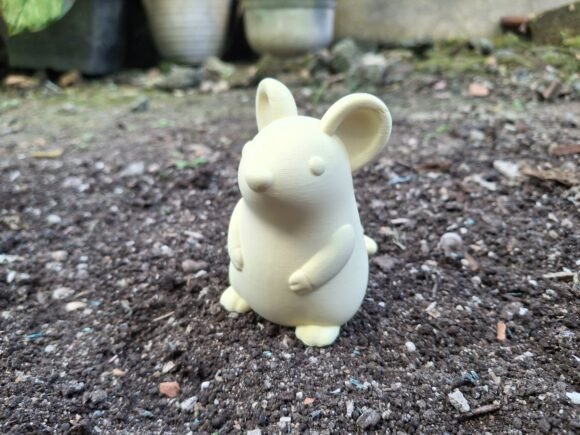
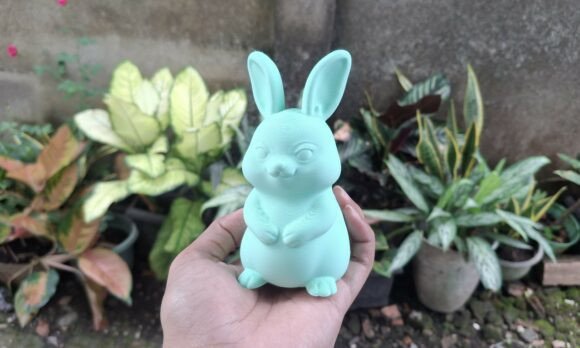
The market for digital fabrication assets has expanded significantly, offering users a vast array of options ranging from functional engineering parts to purely aesthetic decorative objects. Among these, the Bunny 3D Printable STL Model stands out as a compelling choice for hobbyists, interior designers, and gift-givers seeking a balance between visual appeal and printing ease. This specific model is not merely a generic rabbit shape; it is a charming, stylized design characterized by its round body, prominent ears, and gentle smile, intended to bring a warm and cheerful touch to any environment.
When evaluating 3D printable models, the decision process often involves more than just looking at the final image. It requires an understanding of file compatibility, printability, material requirements, and the intended use case. This analysis explores the distinct features of this bunny model, compares it against broader categories of 3D art prints, and provides practical guidance on how to achieve the best results based on tested settings.
Distinctive Design Features and Aesthetic Appeal
What distinguishes the Bunny 3D Printable STL Model from other animal figures is its deliberate stylization. Unlike hyper-realistic sculptures that require high-resolution printing and extensive post-processing to reveal surface details, this model relies on clean geometry and proportion to convey character. The design features:
- Round Body Geometry: The spherical or oval torso minimizes overhangs, which simplifies the slicing process and reduces the need for support structures.
- Exaggerated Proportions: Large ears and a compact face create an "adorable" aesthetic that resonates well with modern home decor trends, particularly those favoring minimalist or cute (kawaii) styles.
- Gentle Expression: The subtle smile adds personality without requiring intricate facial detailing that might be lost in lower-quality filament or larger layer heights.
This approach makes the model versatile. It can serve as a standalone desk ornament, a shelfie accent, or part of a larger collection of printed animals. For adults aged 20–50 who may be decorating workspaces or living areas, the model offers a low-commitment way to introduce color and texture into a space without overwhelming the existing decor.
File Formats and Technical Accessibility
A critical factor in choosing a 3D model is the availability and usability of the source files. The Bunny 3D Printable STL Model addresses common pain points in the user experience by providing multiple file formats. Specifically, the inclusion of both STL and 3MF files ensures broad compatibility across different slicers and printer ecosystems.
The STL (Stereolithography) file is the industry standard for 3D printing. It is universally supported by almost all slicing software, making it accessible to users of older printers or those who prefer open-source slicers like Cura or PrusaSlicer. However, STL files do not contain metadata such as print orientation or color information.
In contrast, the 3MF (3D Manufacturing Format) file is a more modern container format developed by Microsoft and major 3D printing hardware manufacturers. It preserves mesh data along with print settings, colors, and textures within a single archive. For users employing Bambu Studio or similar advanced slicers, the 3MF file can streamline the workflow by pre-configuring optimal settings, reducing the time spent adjusting parameters manually.
Printability and Material Considerations
One of the strongest selling points of this model is its ease of printing. For beginners, the learning curve of FDM (Fused Deposition Modeling) printing can be steep. Issues like warping, stringing, and the need for supports are common hurdles. The Bunny 3D Printable STL Model is designed to mitigate these challenges.
No-Support Design
The model’s geometry allows it to be printed without supports. In 3D printing, supports are temporary structures printed to hold up overhanging sections of the model. Removing them can be tedious and may leave visible marks on the final print. By eliminating the need for supports, this model reduces post-processing time and preserves the smooth finish of the bunny’s curves. This feature is particularly advantageous for matte filaments, where support removal can sometimes tear the delicate surface texture.
Recommended Filament: eSUN PLA Matte
While various filaments can be used, the recommendation of eSUN PLA Matte highlights a specific aesthetic goal. Matte filaments hide layer lines better than glossy PLA, resulting in a more polished, ceramic-like appearance. They also reduce glare under lighting, which enhances the soft, friendly look of the bunny’s face. For users experimenting with materials, this model serves as an excellent test case for matte finishes, as its simple geometry allows the material’s texture to take center stage.
Comparative Analysis: When to Choose This Model
To make an informed decision, it is helpful to compare the Bunny 3D Printable STL Model with alternative approaches to obtaining decorative 3D prints.
Versus Complex Sculptures
Highly detailed dragon statues or realistic human busts often require resin (SLA) printing or high-end FDM printers with sub-0.1mm layer heights. These models demand significant time, expensive materials, and expert troubleshooting. The bunny model, by contrast, is optimized for standard FDM printers. If your goal is quick satisfaction and reliable results, the bunny is the superior choice. If you are practicing advanced sculpting techniques or need museum-grade detail, you might look elsewhere.
Versus Functional Parts
Many 3D printing projects focus on utility—brackets, tool holders, or replacement parts. While these are valuable, they lack emotional resonance. The bunny fills a gap in the "joy of printing" category. It reminds users why they started printing in the first place: to create tangible, delightful objects. For users feeling burnt out by endless mechanical repairs, switching to a decorative model like this can rejuvenate interest in the hobby.
Versus Other Animal Models
The market is saturated with cat, dog, and elephant models. The bunny offers a refreshing alternative. Its vertical orientation (Z-axis height of 12 cm) makes it suitable for display on shelves where horizontal space is limited. Additionally, the neutral color palette achievable with white or pastel matte filaments allows it to blend seamlessly into various interior design schemes, whereas brightly colored or patterned animal models might clash with certain decor styles.
Practical Application and Use Cases
Understanding where the Bunny 3D Printable STL Model fits in real-world scenarios helps in planning your print job.
- Desk Accessories: At 7.2 cm wide and 6.1 cm deep, the footprint is small enough to sit next to a keyboard monitor without obstructing view. It serves as a non-distracting companion during work hours.
- Gift Items: The model’s universal appeal makes it an ideal gift for children, colleagues, or friends. Because it is easy to print, users can produce multiple copies in different colors to offer variety.
- Home Decor Accents: Placed on a bookshelf or windowsill, the bunny adds a touch of whimsy. Its matte finish complements modern furniture made of wood, metal, or fabric.
- Learning Tool: For new printer owners, printing this model is a safe bet. Even if minor adjustments are needed, the lack of supports means failures are less catastrophic and easier to diagnose.
Optimizing Print Settings for Best Results
Based on successful test prints using the Bambu Lab A1 Mini, the following settings provide a reliable baseline. Users should adjust these based on their specific printer capabilities and filament brands.
- Printer: Bambu Lab A1 Mini or similar entry-level/mid-range FDM printers.
- Nozzle Diameter: 0.4 mm. This is the standard nozzle size that balances speed and resolution.
- Slicer Software: Bambu Studio is recommended due to the availability of the 3MF file, which may contain preset configurations. Other slicers like PrusaSlicer or Cura will also work well with the STL file.
- Layer Height: 0.2 mm. This standard layer height provides a good balance between print time and surface smoothness. For a smoother finish, a 0.16 mm layer height can be used, though it will increase print time.
- Wall Loops (Perimeters): 3. Increasing wall loops improves the structural integrity and visual quality of the outer surface, ensuring that the matte texture looks uniform and solid.
- Sparse Infill: 10%. Since the model is decorative, high infill is unnecessary. 10% provides sufficient internal structure without wasting material. A grid or cubic infill pattern works well.
- Print Speed: 50 mm/s. While modern printers can go faster, a moderate speed ensures consistent extrusion, especially when using matte filaments which can sometimes be slightly more resistant to flow.
- Supports: None required. Ensure the model is oriented upright in the slicer to maintain this benefit.
Limitations and Tradeoffs
No product is perfect, and understanding the limitations of the Bunny 3D Printable STL Model is crucial for setting expectations.
Size Constraints: With a maximum dimension of 12 cm, this model is relatively small. It may not make a bold statement on large mantels or outdoor displays. It is best suited for indoor, close-up viewing.
Material Dependency: The aesthetic success of this model is heavily dependent on filament choice. Using cheap, inconsistent PLA may result in visible artifacts or poor color vibrancy. Investing in a quality matte filament is essential to achieving the intended "charming" look.
Static Nature: As a static object, it does not move or interact. Users seeking kinetic art or interactive installations will find this model too simple. It is purely decorative.
Conclusion
The Bunny 3D Printable STL Model represents a thoughtful intersection of design, functionality, and accessibility. It is not trying to be the most complex or the largest model on the market. Instead, it focuses on delivering a high-quality, enjoyable printing experience with a visually pleasing result. For beginners, it offers a confidence-building project. For experienced users, it provides a quick, satisfying print that adds warmth to their workspace. By leveraging the included 3MF and STL files and adhering to the recommended settings, users can reliably produce a delightful addition to their 3D printed collections.