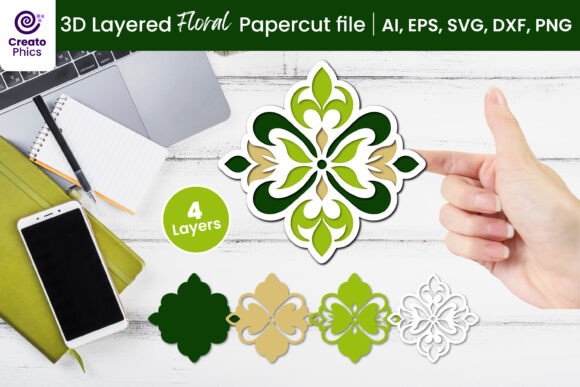
3D Layered Floral Paper Cutting SVG
In the evolving landscape of digital crafting and print-on-demand design, the demand for intricate, high-quality visual elements has never been higher. Among the most sought-after assets are designs that offer depth, texture, and a sense of artisanal craftsmanship without requiring physical sculpting skills. Enter the 3D Layered Floral Paper Cutting SVG, a versatile digital file format that bridges the gap between traditional paper art and modern laser cutting technology. This guide explores what these files are, how they function, and why they have become an essential tool for creators ranging from hobbyist scrapbookers to professional graphic designers.
Understanding the Concept: What is a 3D Layered Papercut?
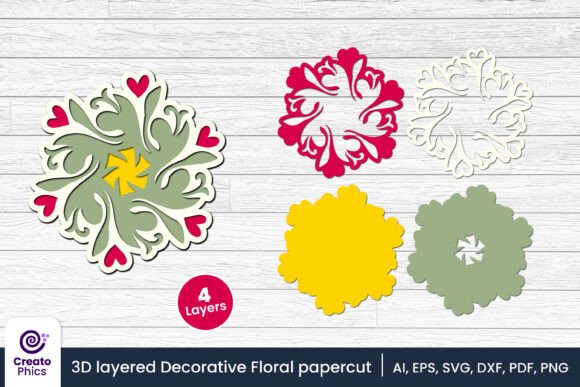
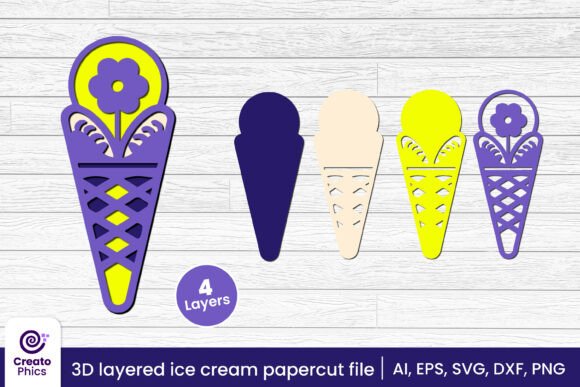
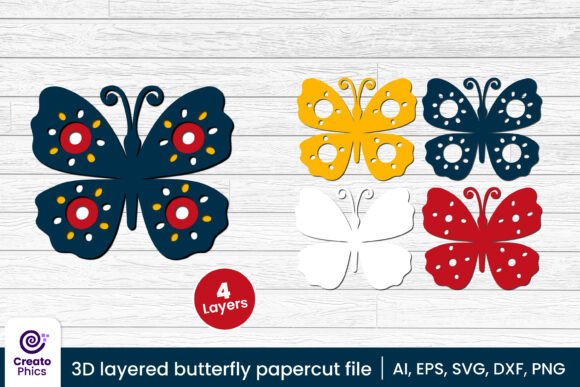
To appreciate the utility of a 3D layered floral papercut SVG, one must first understand the technique it emulates. Traditional paper cutting involves slicing through single sheets of paper to create silhouettes or intricate patterns. However, "3D" in this context refers to a digital simulation of depth achieved through layering. Instead of a flat image, the design is composed of multiple distinct layers, each representing a different plane of the final artwork.
When these layers are cut from materials like cardstock, vinyl, or foam board and stacked upon one another, they create a tangible sense of dimension. The 3D Layered Floral Paper Cutting SVG leverages this principle by providing separate vector paths for every petal, leaf, and background element. This allows the creator to control the spacing and elevation of each component, resulting in a piece that casts subtle shadows and offers visual interest from multiple angles. It is not merely a flat sticker; it is a miniature sculpture rendered in digital form.
Key Features and File Formats
The value of a digital papercut asset lies largely in its compatibility and ease of use. A comprehensive package typically includes a variety of file formats to ensure seamless integration with different software and hardware ecosystems. For instance, a standard offering might include:
- SVG (Scalable Vector Graphics): The cornerstone of digital cutting. SVGs are resolution-independent, meaning they can be resized from a small greeting card to a large wall mural without losing quality. They are directly compatible with cutting machines like Cricut and Silhouette.
- EPS and AI (Encapsulated PostScript & Adobe Illustrator): These formats are preferred by professional designers who need to edit complex vector nodes, adjust colors, or combine the floral elements into larger composite designs within industry-standard software.
- DXF (Drawing Exchange Format): Often used in conjunction with laser cutters and CNC routers, DXF files provide precise coordinate data for industrial-grade manufacturing processes.
- PNG (Portable Network Graphics): High-resolution raster images (often at 300 DPI) serve as visual references or templates. In many layered packages, each individual layer is provided as a separate PNG file, allowing users to see exactly how the stack should look before committing to material costs.
Typically, these files are standardized at dimensions such as 12 inches by 12 inches, a common size for scrapbooking paper and craft mats. This standardization ensures that the design fits perfectly on most commercial cutting machine beds, streamlining the production workflow.
Applications and Use Cases
The versatility of the 3D Layered Floral Paper Cutting SVG extends across numerous creative domains. Because the design mimics organic forms—flowers, vines, leaves—it possesses a universal aesthetic appeal that fits well in both modern minimalist and classic ornate settings.
1. Greeting Cards and Stationery
One of the most popular applications is in the creation of premium greeting cards. By using thicker cardstock and adhering the layers with foam tape or spacers, crafters can produce cards that feel luxurious and tactile. The floral motifs are particularly suited for occasions such as weddings, birthdays, Mother’s Day, and sympathy cards, where elegance and sentimentality are paramount.
2. Home Decor and Wall Art
For home decorators, these files enable the creation of striking wall installations. Imagine a large-scale floral arrangement printed on white vinyl and mounted on a contrasting dark wall, or carved into wood veneer for a rustic touch. The layering effect adds shadow play that changes throughout the day as sunlight moves across the room, making the art dynamic rather than static.
3. Scrapbooking and Journaling
Digital scrapbookers often struggle to replicate the look of physical embellishments. Using these SVG files, creators can print layered elements on specialty papers—such as vellum, metallic foil, or textured cotton—and physically assemble them in their digital layouts or print them out for physical albums. This hybrid approach adds a unique, handmade charm to memory-keeping projects.
4. Wedding Invitations and Signage
Wedding stationery is a booming market where attention to detail is critical. Laser-cut invitations featuring 3D floral borders or monograms surrounded by layered petals command a higher price point due to their perceived value. The precision of laser cutting ensures that even the smallest stamen of a flower is reproduced accurately, elevating the overall presentation of the event branding.
Who Benefits from This Technology?
The accessibility of these digital files democratizes high-end design. Several groups find particular value in utilizing the 3D Layered Floral Paper Cutting SVG:
- DIY Enthusiasts: Individuals who enjoy hands-on creativity benefit from the clear instructions and easy assembly implied by well-structured layer files. It allows them to achieve professional-looking results without years of training in graphic design or woodworking.
- Small Business Owners: Entrepreneurs selling handmade goods on platforms like Etsy or Shopify can leverage these files to scale their inventory. Once purchased, the digital asset can be used to produce unlimited physical products, creating a passive income stream.
- Professional Designers: Graphic artists can integrate these pre-made floral elements into broader brand identities, saving time on repetitive tasks like drawing individual petals. They can modify the vectors to match specific color palettes while maintaining structural integrity.
- Educators and Students: In art education, these files serve as excellent teaching tools for geometry, symmetry, and spatial reasoning. Students can experiment with negative space and positive space by assembling the layers.
Practical Considerations and Best Practices
While the potential is vast, successful execution requires an understanding of material properties and machine limitations. When working with layered designs, the choice of material is critical. Thin cardstock may collapse under the weight of upper layers, while thick foam board might be difficult to cut intricately depending on the blade sharpness and machine power.
Furthermore, assembly technique dictates the final aesthetic. Glue application must be minimal to avoid warping the paper or leaving visible residue. Many crafters use double-sided tape dots or specialized adhesive pens to secure layers cleanly. Additionally, considering the "drop shadow" effect is important; ensuring that each layer is slightly offset or elevated enhances the 3D illusion.
Users should also be mindful of the complexity of the design. Highly detailed floral patterns with tiny internal pieces (like stamens) require steady hands during removal from the backing sheet. It is advisable to test print on scrap material first to verify that all connections hold and that no delicate parts detach prematurely.
Evaluating Suitability for Your Projects
Before integrating a 3D Layered Floral Paper Cutting SVG into your workflow, consider the following questions to determine suitability:
- Do you have the necessary equipment? Ensure you own or have access to a cutting machine capable of handling the desired material thickness.
- What is your skill level? While the files are designed for ease of use, assembling multiple layers requires patience and precision. Beginners may start with simpler, fewer-layer designs before tackling complex botanical arrangements.
- Is the scale appropriate? Some designs look impressive up close but lose detail when scaled down too small. Check the minimum viable size recommended by the creator.
- Does the style match your brand or project? Floral motifs vary widely from watercolor-inspired soft edges to geometric hard lines. Choose a file that aligns with the overall aesthetic you wish to convey.
Conclusion
The 3D Layered Floral Paper Cutting SVG represents a convergence of art, technology, and commerce. It empowers creators to produce visually stunning, three-dimensional works using accessible digital tools. Whether you are looking to add a personal touch to a handmade gift, enhance your small business product line, or simply explore the joy of papercrafting, these files provide a robust foundation for creativity. By understanding the formats, applications, and practical considerations outlined above, you can confidently incorporate this elegant design element into your next project, bringing a touch of floral beauty to life.
Thank you for exploring the possibilities of digital papercutting. As technology continues to evolve, so too will the ways we interact with physical media. Stay curious, keep experimenting, and remember to share your creations to inspire others in the crafting community.