3D Monster Layered Decor: Transforming Digital Files into Tangible Art
The intersection of digital design and physical home aesthetics has never been more vibrant. As creators, homeowners, and small business owners seek ways to personalize their spaces with unique, high-impact visuals, the demand for customizable art solutions has surged. Among these emerging trends, 3D Monster Layered Decor stands out as a compelling fusion of playful character design and sophisticated spatial depth. This approach moves beyond flat printing, offering a tactile experience that brings walls to life through shadow, perspective, and dimension.
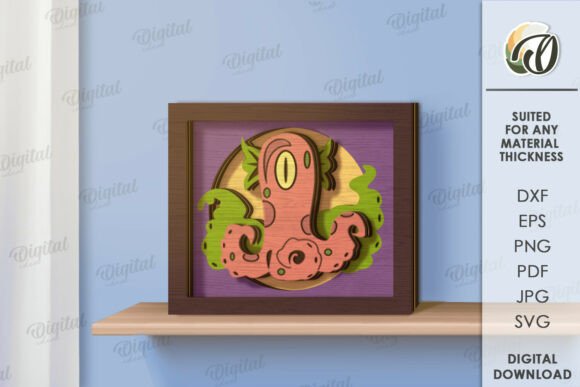
However, it is crucial to understand the nature of this product before diving into its creative potential. What you are acquiring is not a pre-assembled statue or a printed canvas shipped to your door. Instead, this is a premium digital asset designed for those who enjoy the process of creation. When you purchase this item, you receive a zip folder containing one meticulously crafted design in multiple industry-standard formats: SVG, DXF, EPS, PDF, JPEG, and PNG. These files serve as the blueprint for your own physical masterpiece, allowing you to choose materials, colors, and scales that perfectly match your interior vision.
Understanding the Mechanics of Layered Design
To appreciate the value of 3D Monster Layered Decor, one must first understand the mechanics behind layered vector art. Unlike traditional 2D images where all elements exist on a single plane, layered designs separate different components of an illustration into distinct groups. In the context of monster-themed decor, this might mean separating the creature’s body, limbs, facial features, and background elements into individual layers.
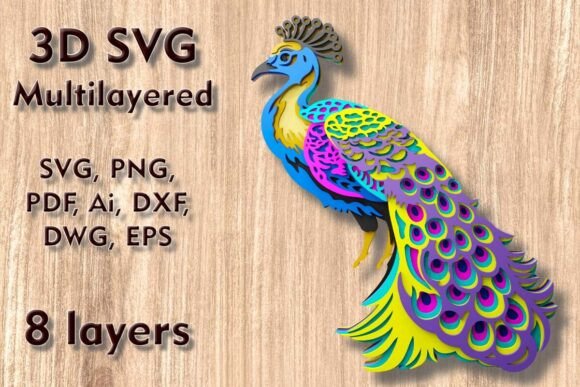
When these layers are cut from various materials—such as wood, foam board, acrylic, or thick cardstock—and stacked upon one another with spacers, they create a parallax effect. This optical illusion gives the artwork a sense of depth and volume, making the "monster" appear to pop off the wall. The result is a piece of art that changes subtly depending on the viewer's angle and the lighting in the room, adding a dynamic quality to static spaces.
This method offers unparalleled flexibility. Because you control the material and the spacing, you can adapt the same digital file to fit a child’s bedroom, a modern office lobby, or a cozy reading nook. The digital file acts as a versatile template, ensuring that the core artistic integrity remains intact while the execution reflects your personal style.
Bridging Digital Creativity and Physical Craft
In recent years, the line between digital consumption and physical creation has blurred. Platforms like Etsy and specialized maker communities have seen a rise in "digital-only" products because they empower users to take ownership of their creative output. By providing files in formats like SVG and DXF, this product caters directly to individuals who own cutting machines such as Cricut, Silhouette, or laser cutters. It also supports professionals who use Adobe Illustrator or CorelDRAW for more complex fabrication processes.
The inclusion of PDF and PNG formats further broadens the accessibility of this design. Users without advanced cutting equipment can still utilize the PDF as a precise guide for hand-cutting or tracing, while the JPEG and PNG files provide visual references for painting, coloring, or digital manipulation before physical production. This multi-format approach ensures that whether you are a seasoned pro with industrial machinery or a hobbyist with basic craft tools, you have the resources necessary to bring the design to life.
Furthermore, this trend aligns with the growing preference for sustainable and DIY (Do-It-Yourself) culture. By creating the decor yourself, you avoid the carbon footprint associated with mass-produced shipping and packaging. You can also source eco-friendly materials, such as reclaimed wood or recycled plastics, turning a fun monster design into a statement about environmental consciousness.
Applications Across Diverse Spaces
The versatility of 3D Monster Layered Decor allows it to transcend typical categorizations. While the subject matter might suggest children’s playrooms, the aesthetic possibilities extend far beyond nursery decor. Here is how this type of layered art fits into various environments:
- Home Offices and Workspaces: For entrepreneurs and freelancers, having a personalized, whimsical element in the workspace can boost creativity and reduce stress. A stylized, geometric monster in muted tones or bold primary colors can serve as a conversation starter during video calls or client meetings, humanizing the professional environment.
- Retail and Hospitality: Small business owners in cafes, boutiques, or co-working spaces often struggle with affordable yet striking interior design. Layered wall art provides a cost-effective way to brand a space. Imagine a coffee shop featuring a friendly, caffeine-themed monster layered in warm browns and creams, or a tech startup using a sleek, cyberpunk-inspired creature in neon accents.
- Educational Settings: Educators and librarians can use these designs to create engaging learning environments. Monsters can be themed around science, mythology, or literature, serving as visual aids that capture students' attention and encourage curiosity.
- Gaming and Hobby Rooms: For enthusiasts of fantasy, gaming, or horror genres, layered monsters offer a perfect tribute. The depth and detail achievable through layering can mimic the complexity of video game assets or comic book illustrations, satisfying the desire for immersive fandom decor.
Technical Considerations for Successful Execution
While the digital files provided are ready to use, achieving a professional-looking final product requires some planning. The success of any layered decor project hinges on precision and material choice. Since the package includes DXF and SVG files, which are vector-based, you benefit from infinite scalability. This means you can resize the design from a small 6-inch desktop ornament to a large 4-foot wall installation without losing quality.
When selecting materials, consider the weight and rigidity required for each layer. Thicker materials like 5mm MDF or acrylic will hold their shape better but may require stronger adhesives or mechanical fasteners if the pieces are large. Conversely, thinner materials like chipboard or heavy cardstock are easier to handle for intricate details but may need backing support to prevent warping over time.
Another critical aspect is the alignment of layers. Using registration marks, which are often included in professional DXF and SVG exports, ensures that each layer lines up perfectly. If you are hand-cutting, investing in a good quality craft knife and self-healing mat is essential for clean edges. Additionally, experimenting with contrasting colors between layers can enhance the 3D effect, making certain features stand out more prominently against the background.
Why Choose Digital Over Pre-Made?
One might ask why opt for a digital file when ready-made 3D wall art is available. The answer lies in customization and longevity. Pre-made items are fixed in size, color, and material. If you dislike the shade of blue or want to change the scale to fit a specific wall, you are out of luck. With a digital purchase, you retain full control. You can tweak the design digitally before cutting, adjust the spacing between layers for deeper shadows, or even combine multiple designs from different artists to create a collage.
Moreover, digital files never wear out. They do not suffer from shipping damage, fading, or breakage. Once purchased, the asset is yours forever, allowing you to recreate the design whenever you move homes, redecorate rooms, or gift the concept to friends. It represents a one-time investment that yields endless creative possibilities.
Getting Started with Your Project
If you are new to working with vector files, the process is straightforward but requires patience. Start by opening the SVG or DXF file in your preferred software. Check the layer structure to ensure all parts are separated correctly. Print a test version on regular paper to verify the proportions and assembly order. Once satisfied, transfer the design to your chosen material using a cutting machine or by hand.
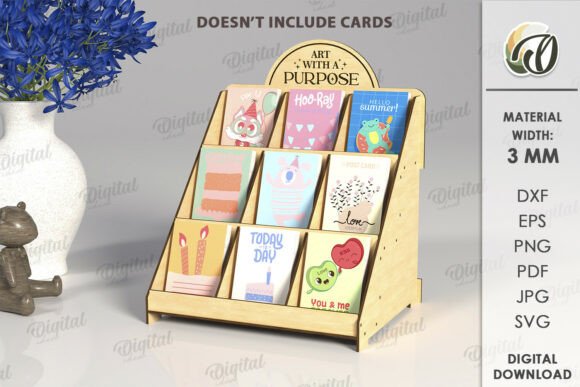
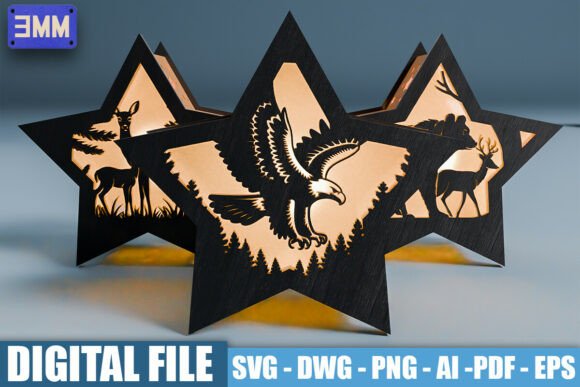
Assemble the layers carefully, starting from the back and moving forward. Use double-sided tape, glue dots, or small wooden spacers to maintain consistent gaps between layers. Finally, mount the completed piece on the wall using appropriate hardware. Remember, the photos provided with the listing are for inspiration only; your version will be unique, reflecting your material choices and craftsmanship.
Thank you for visiting my store. I am passionate about providing high-quality digital resources that empower creators. If you have any questions regarding the file formats, compatibility, or assembly tips, please write me a message. I am here to help ensure your project is a success. Happy shopping, and enjoy the journey of bringing your 3D Monster Layered Decor to life!